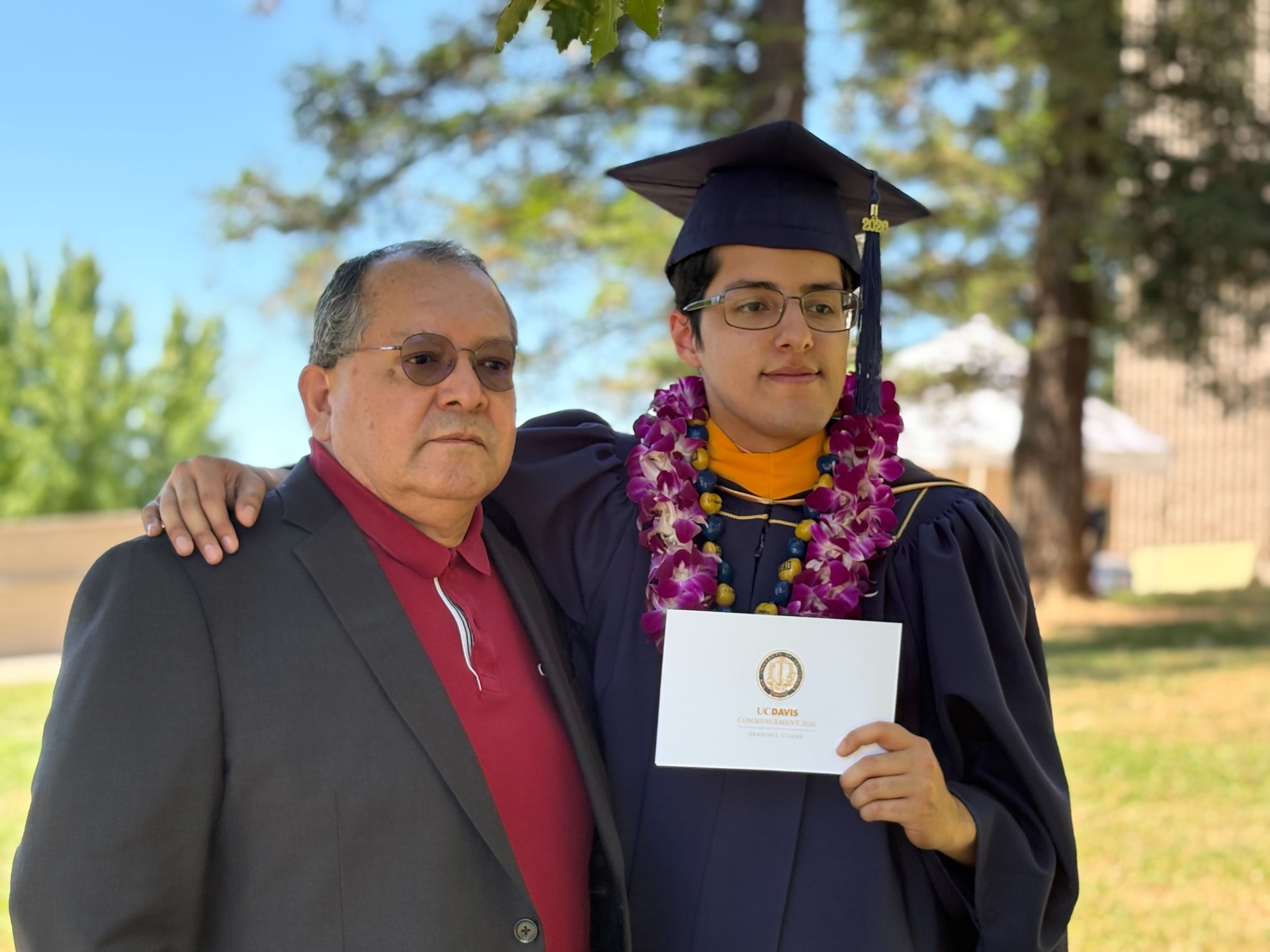
University of California, Davis
Master of Engineering — Chemical Engineering (Spec. Biochemical Process Engineering)
September 2025 – June 2026 (completed)
Building off my experience working in pharmaceutical manufacturing for a CDMO, I completed a Master of Engineering program in Chemical Engineering with a curriculum path specializing in Biochemical Process Engineering.
Coursework covered a mix of theoretical and practical labwork, focusing on chemical and biochemical kinetics and reactor design, bioseparations, thermodynamics, plant and facility design, process safety, and bioprocess engineering.
Notably, my labwork experience covers design and execution of chromatographic separation, analyzing bioreactor oxygen profiles, and culturing recombinant E.coli expressing green-fluorescent protein. Analytical techniques used include utilizing centrifugation to measure dry cell weights, UV spectrophotometry to quantify protein concentrations, and SDS-PAGE analysis to identify and validate protein separation.
In addition to the core curriculum, I also took a welding course and a grad-level mechanical engineering class on Advanced Modeling and Simulation of Mechanical Systems, where I learned to apply bond graphs from multi-domain systems (mechanical, electrical, pneumatic, and hydraulic) to derive equations of motion and use ODE solvers to time-step simulate systems and design software-in-the-loop control systems.
Notable Work
E.coli Culturing (Aerobic Fermentation)
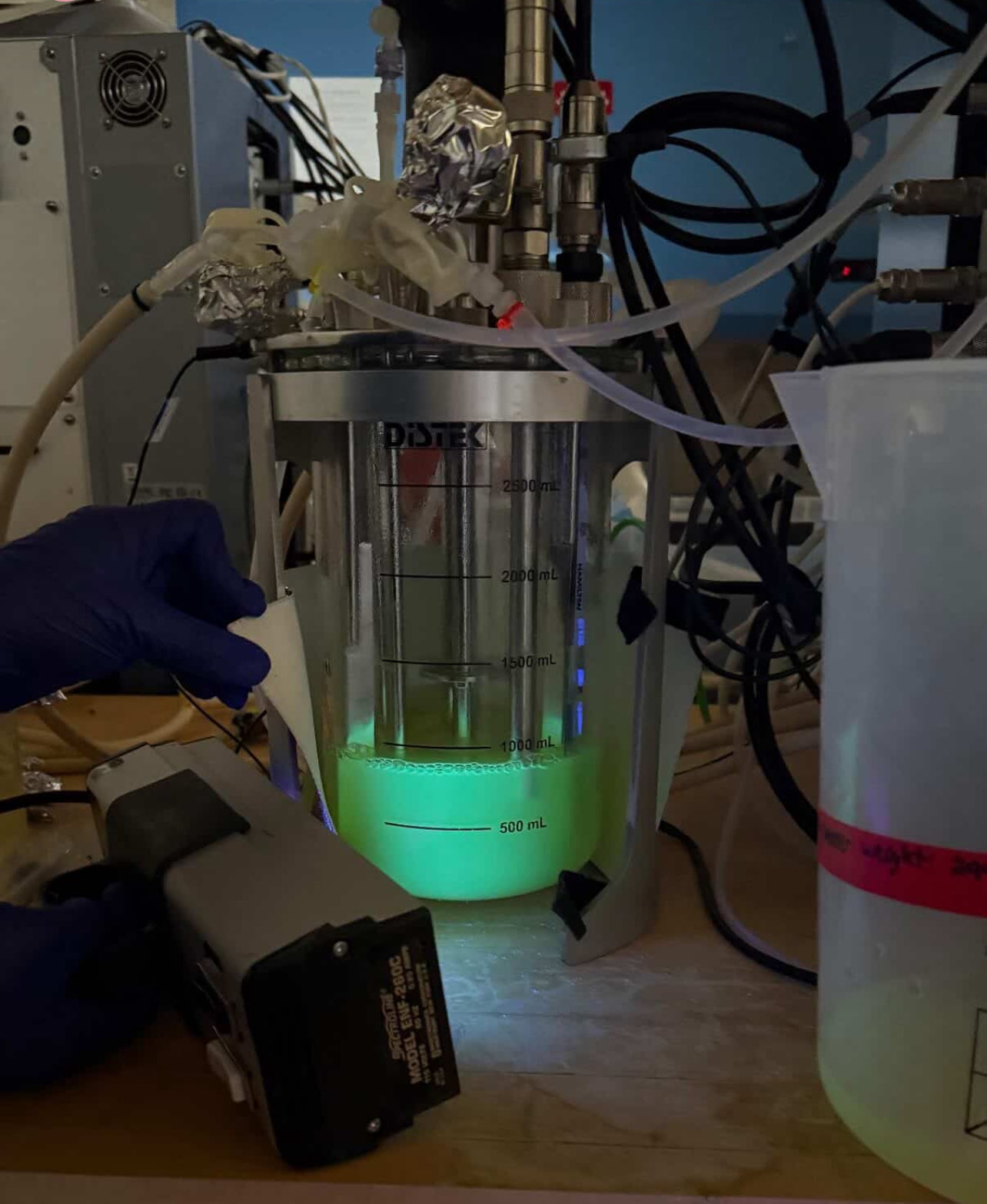
Designed and executed a plan to grow recombinant E.coli in aerated bench-scale bioreactors. Grew the bacteria over the course of 12 hours, switching from batch to fed-batch modes when substrate levels dropped in order to prevent an acidic environment from forming. Deployed quantitative analytical techniques to measure the growth over time throughout the lab, using a centrifuge to measure dry cell weights, and a UV spectrophotometer to measure concentrations over time.
Chromatography Lab
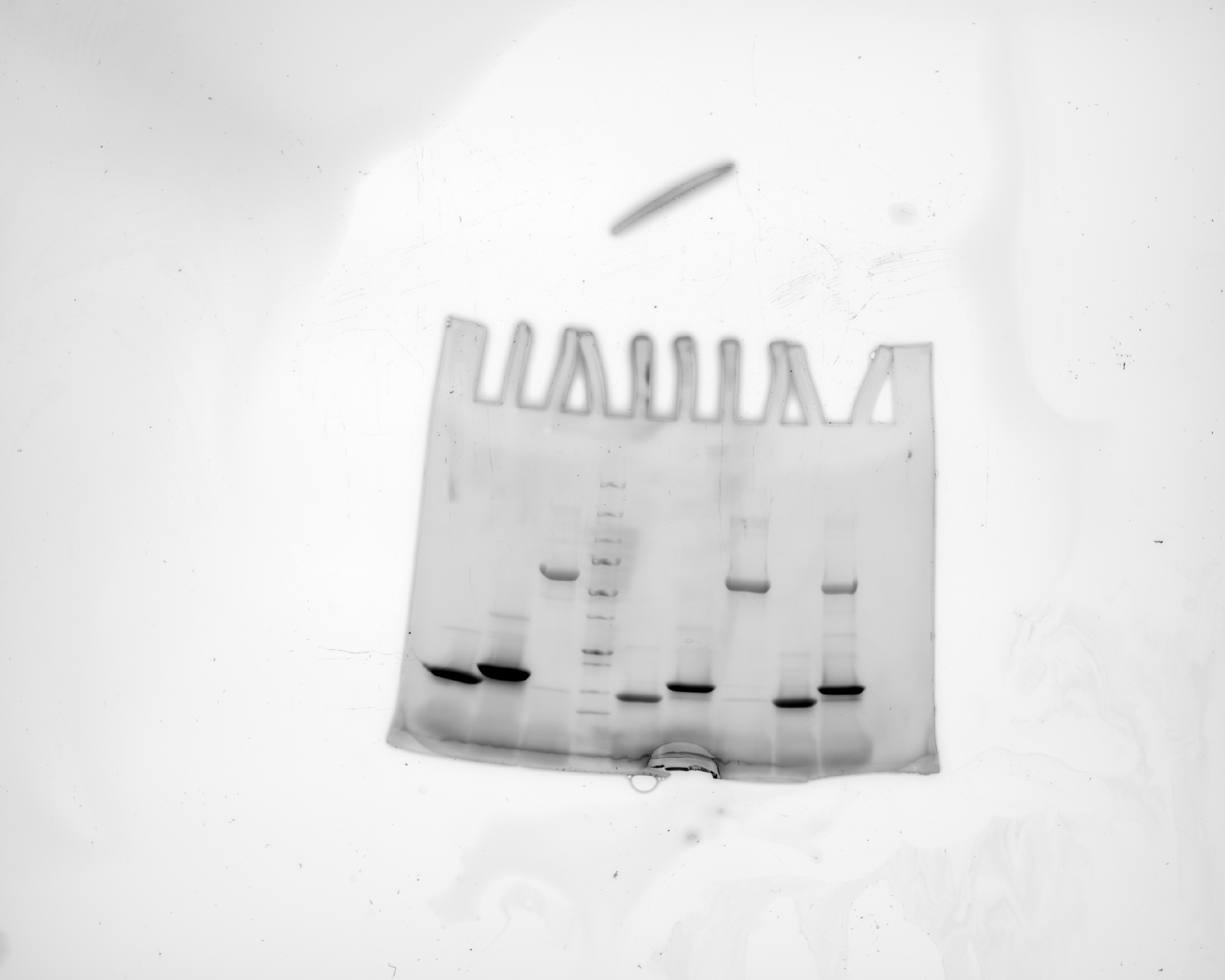
Separated a sample mixture of BSA, Myoglobin, and Cytochrome C using an anion-exchange chromatography column in an AKTA Explorer system. Performed two trials, one using gradient elution, and the next performing step elution with salt concentrations determined from the first trial's data. Utilized SDS-PAGE analysis with comparison to known samples and a molecular ladder to verify the purity of the eluted samples.
Dissolved Oxygen Lab
Utilized a dissolved-oxygen (DO) probe to measure the effects of varying aeration and agitation rates in bench-scale bioreactors. During the experiments, live readings of the DO probe had to be recorded by phone since the machine's exported data recorded at a much lower frequency. Using Claude Code, I generated a pipeline to split our recorded videos into evenly spaced frames 1-second apart using FFmpeg. Then, I shared these frames with my labmates along with an HTML page that allowed us to annotate each frame, automatically iterating each frame and recording the data to a spreadsheet. A 3-minute video could be annotated in less than 10 minutes. My team finished annotating our data by the end of the day while other groups waited up to a week to manually record their video data.
High Performance Computing
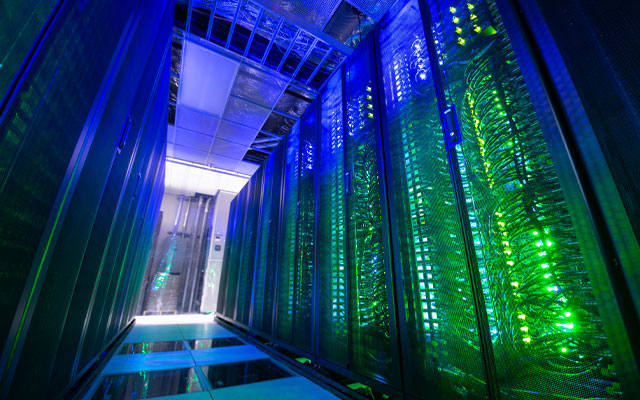
I accessed the San Diego Supercomputer via SSH to perform molecular simulations as part of a statistical thermodynamics course. Queued my simulation using the Slurm job scheduler.
Plant Design Project
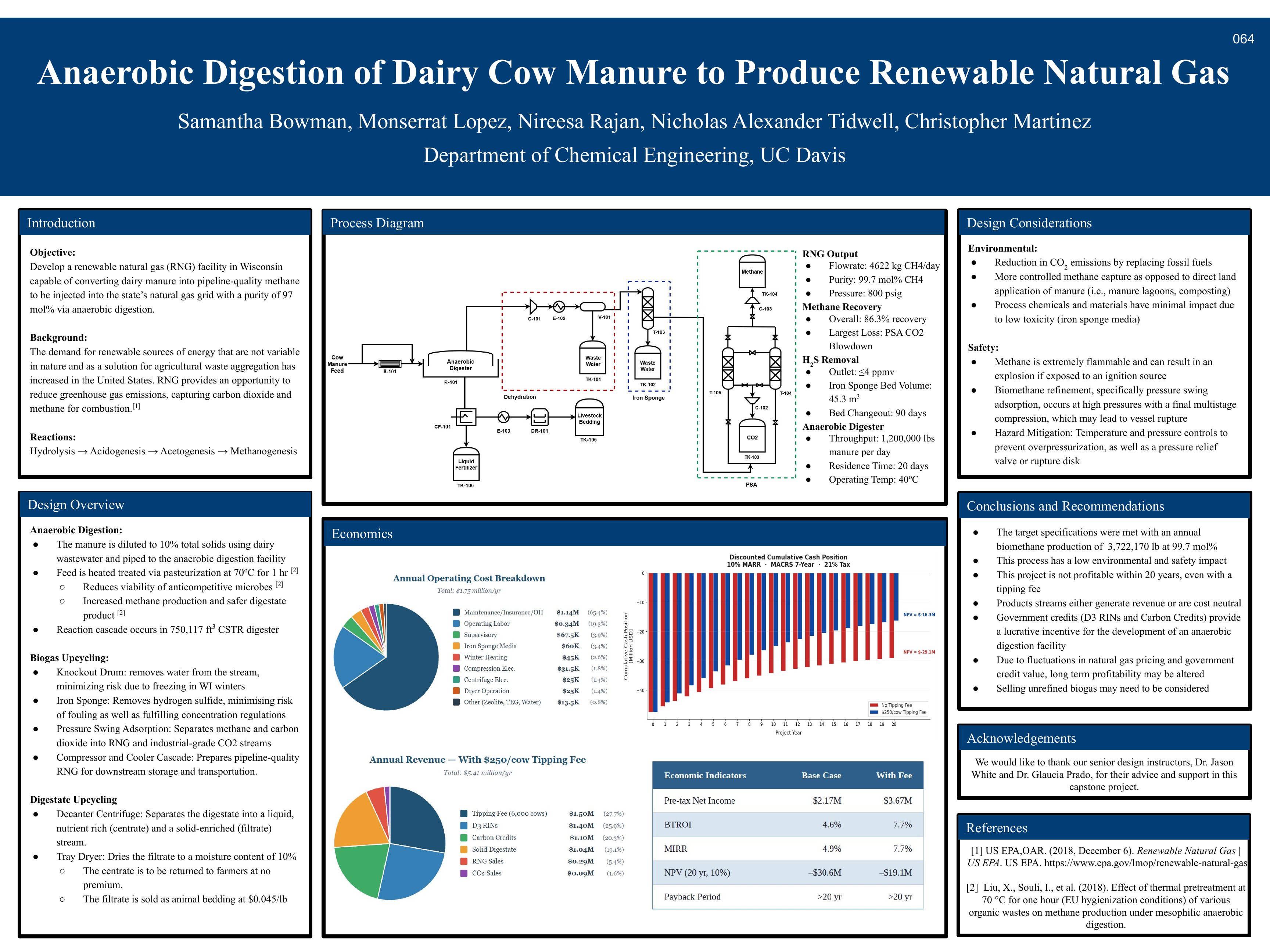
As part of a 2-quarter capstone course, my group designed and economically evaluated a bio-methane production plant that processes 600,000 lbs of manure sourced from dairy farms in Wisconsin. I sourced anaerobic digester models (ADM1) in literature and as open-source packages, our group based our initial designs on an Aspen ADM1 model, and our values were validated with QSDsan's ADM1 package in Python.
Capstone Report
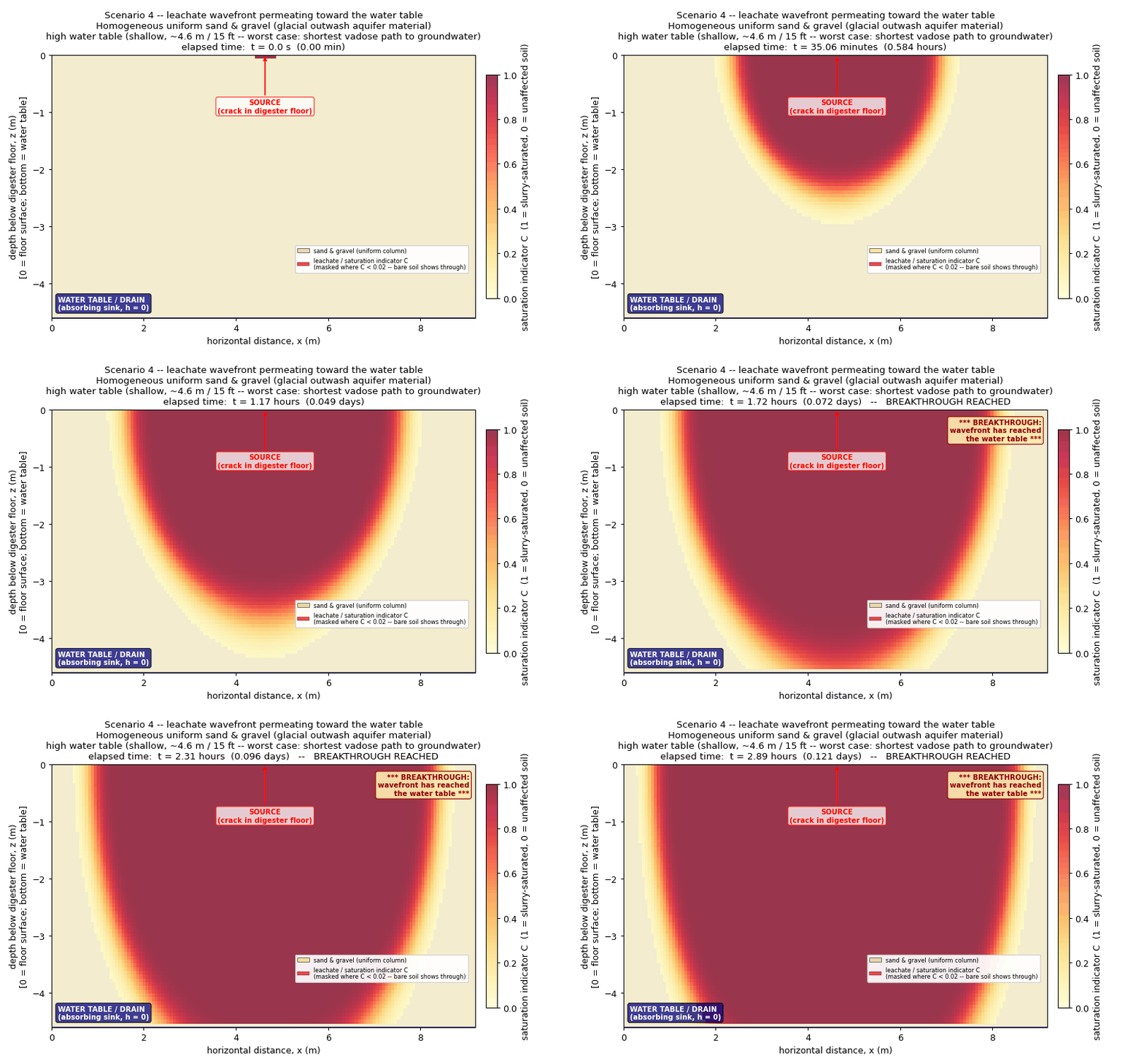
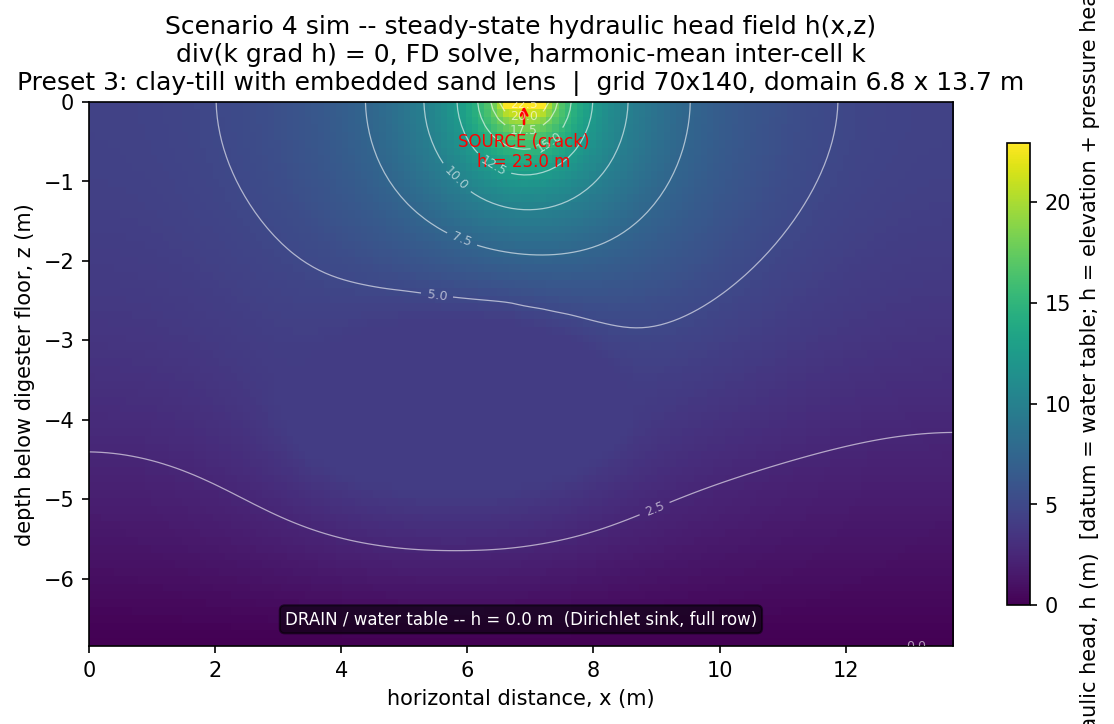
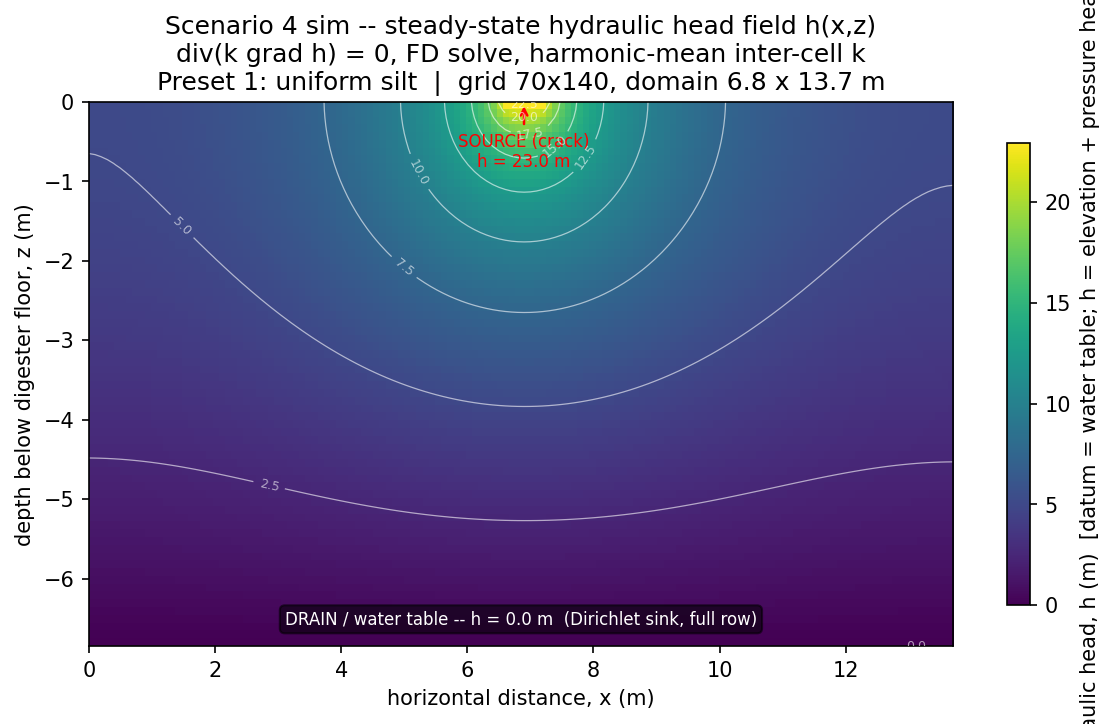
Soil Permeation Simulations and Flow Gradients
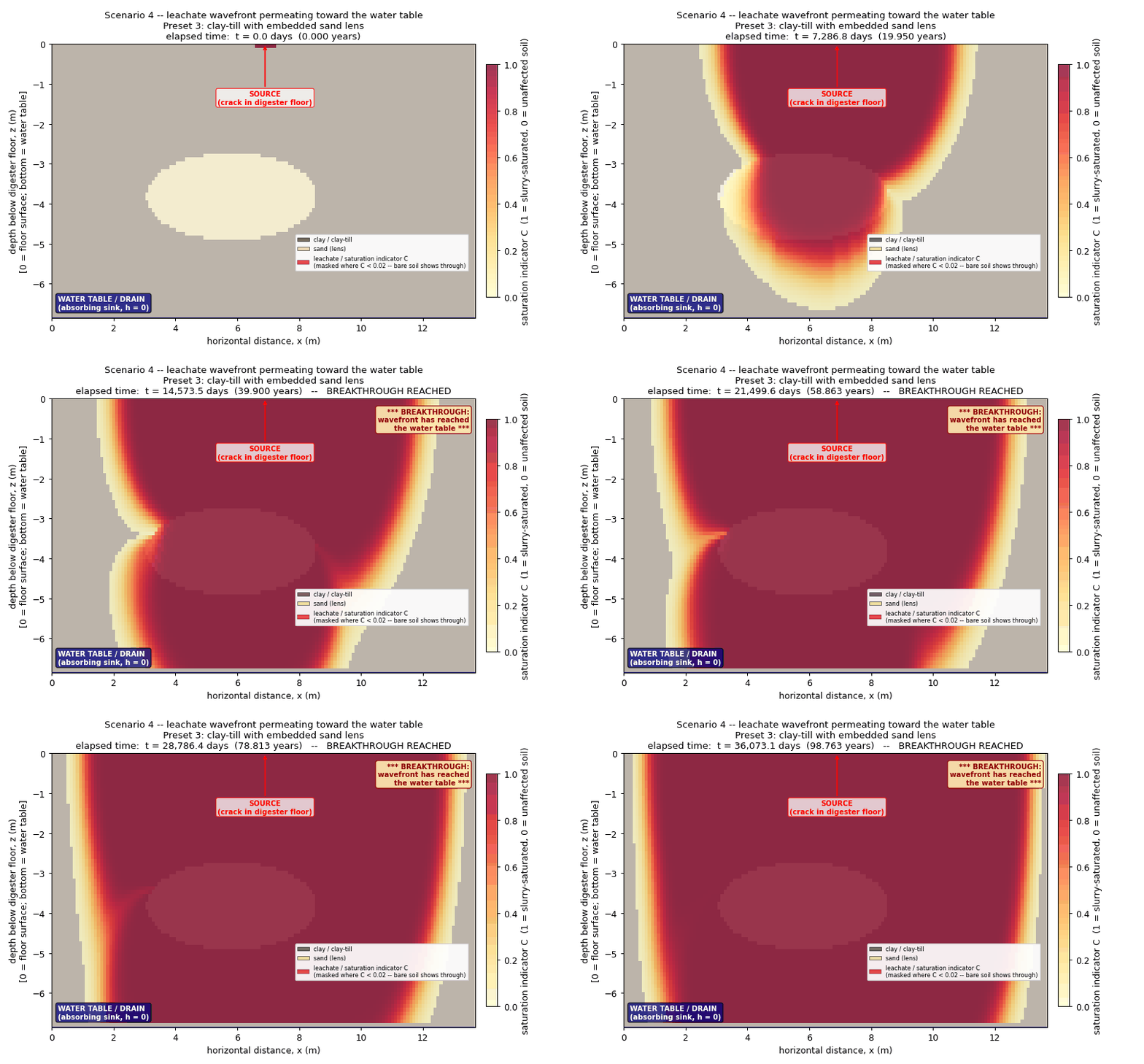
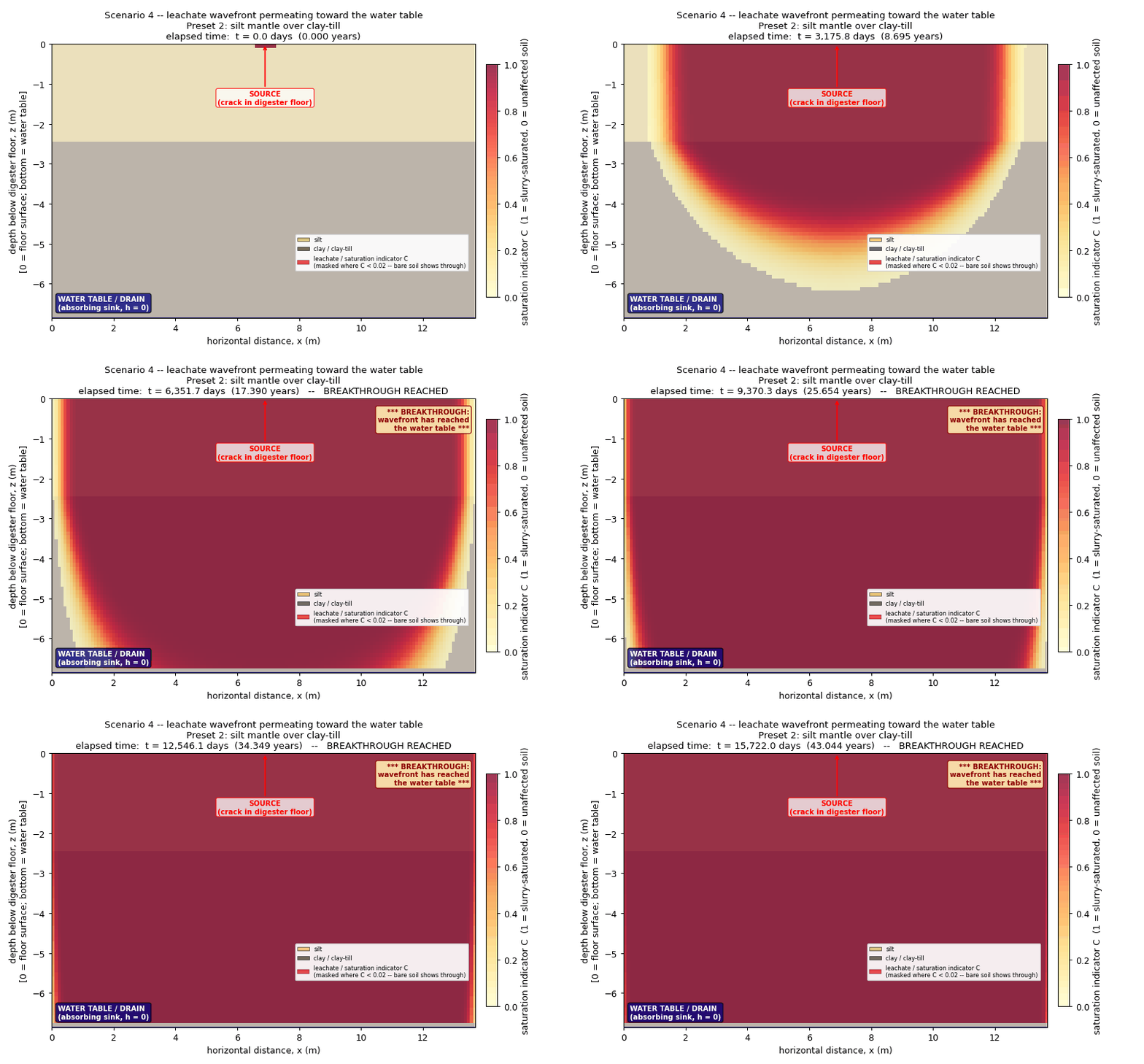
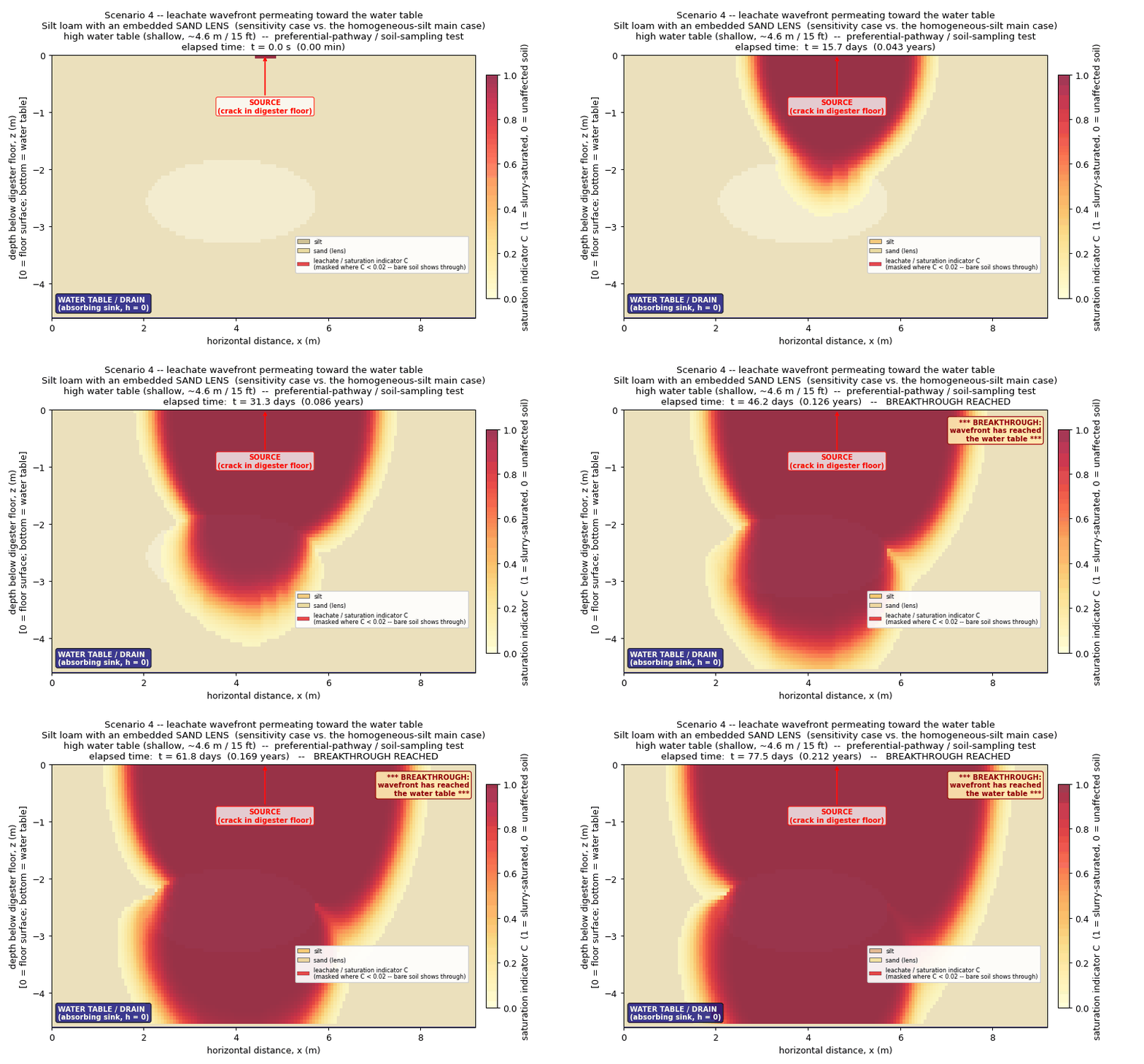
Taking a closer look at the anaerobic digester from the plant design project, my capstone report analyzed three loss-of-containment scenarios where the tank may suffer total headspace gas release, an above-ground liquid release, and an underground release through cracks in the digester's foundation. The most interesting parts of the report are the hydrogen sulfide puff model and the application of the differential form of Darcy's law to simulate subterranean seepage in different soil conditions (as seen above).
Welding Classes
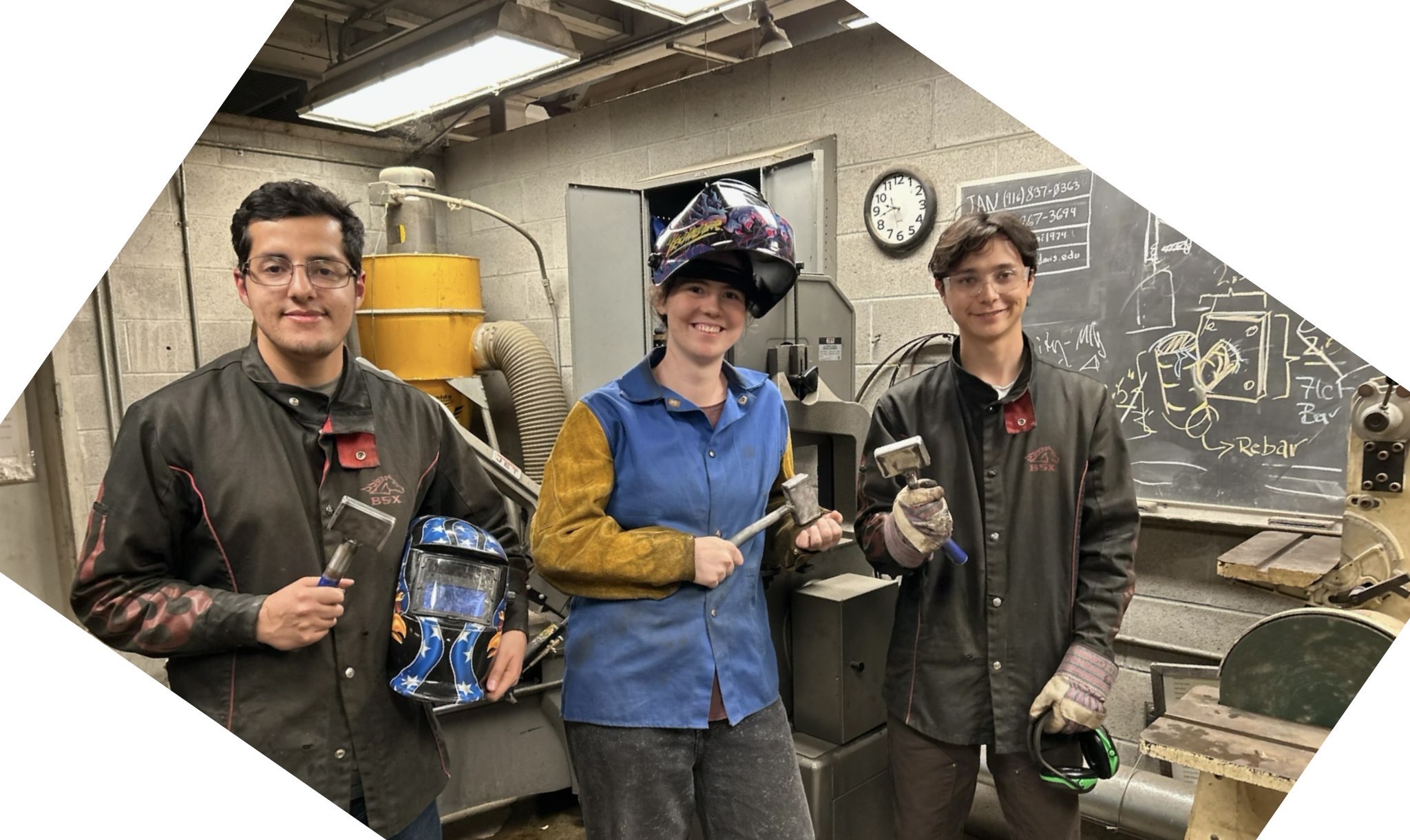
Took extracurricular welding classes via the UC Davis crafting center. Learned how to weld using MIG and Oxy-Acetylene torches.