University of California, San Diego
Bachelor of Science in Physics (Spec. Material Physics)
September 2018 – June 2022
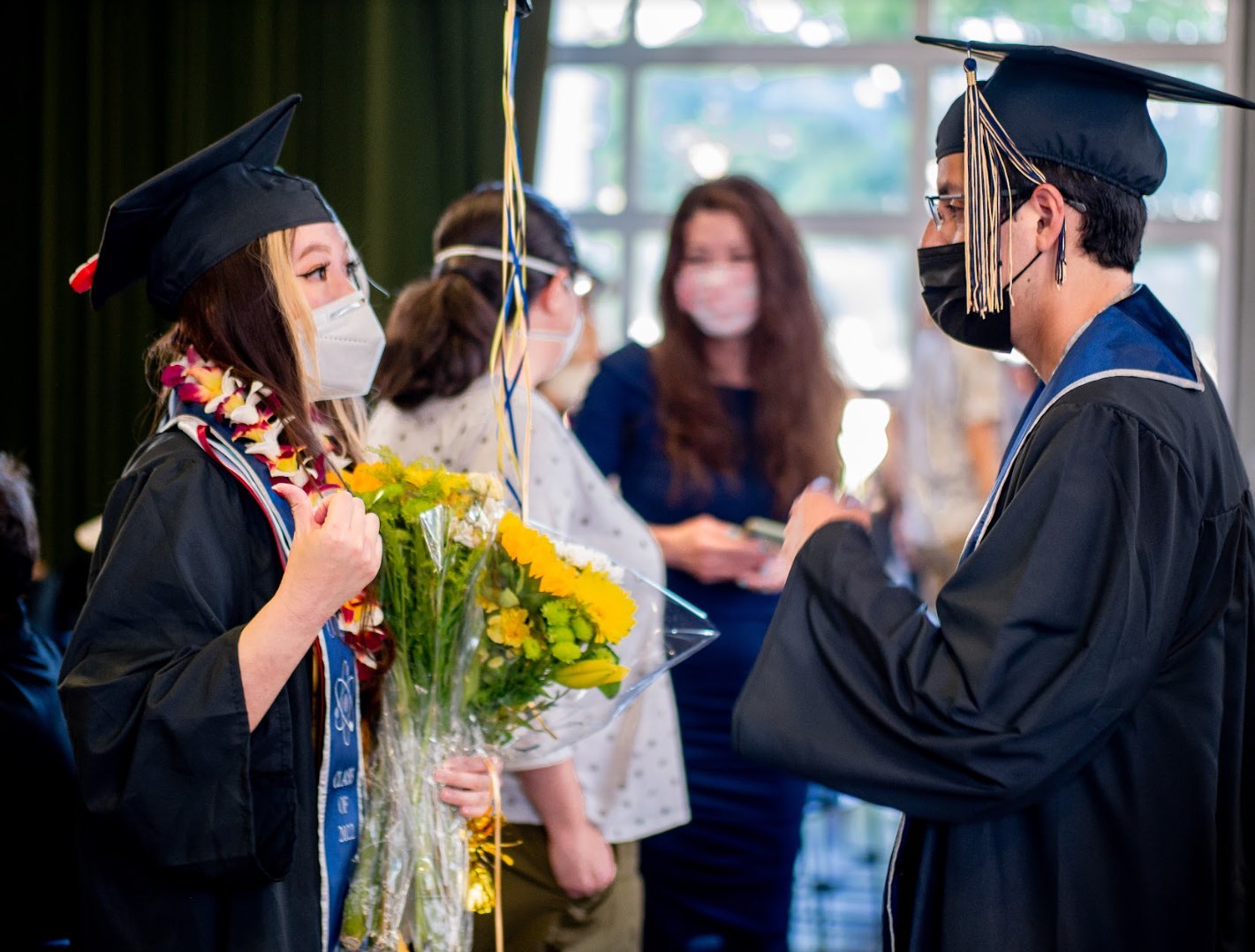
Coming out of the IB program in high school, I chose to pursue a degree in Physics over a degree in Computer Science to serve as a broad foundation that allows me to later branch into engineering or research. Software still appealed to me, and I self-studied programming, applying these skills in later courses in computational physics, mechatronics, and embedded systems.
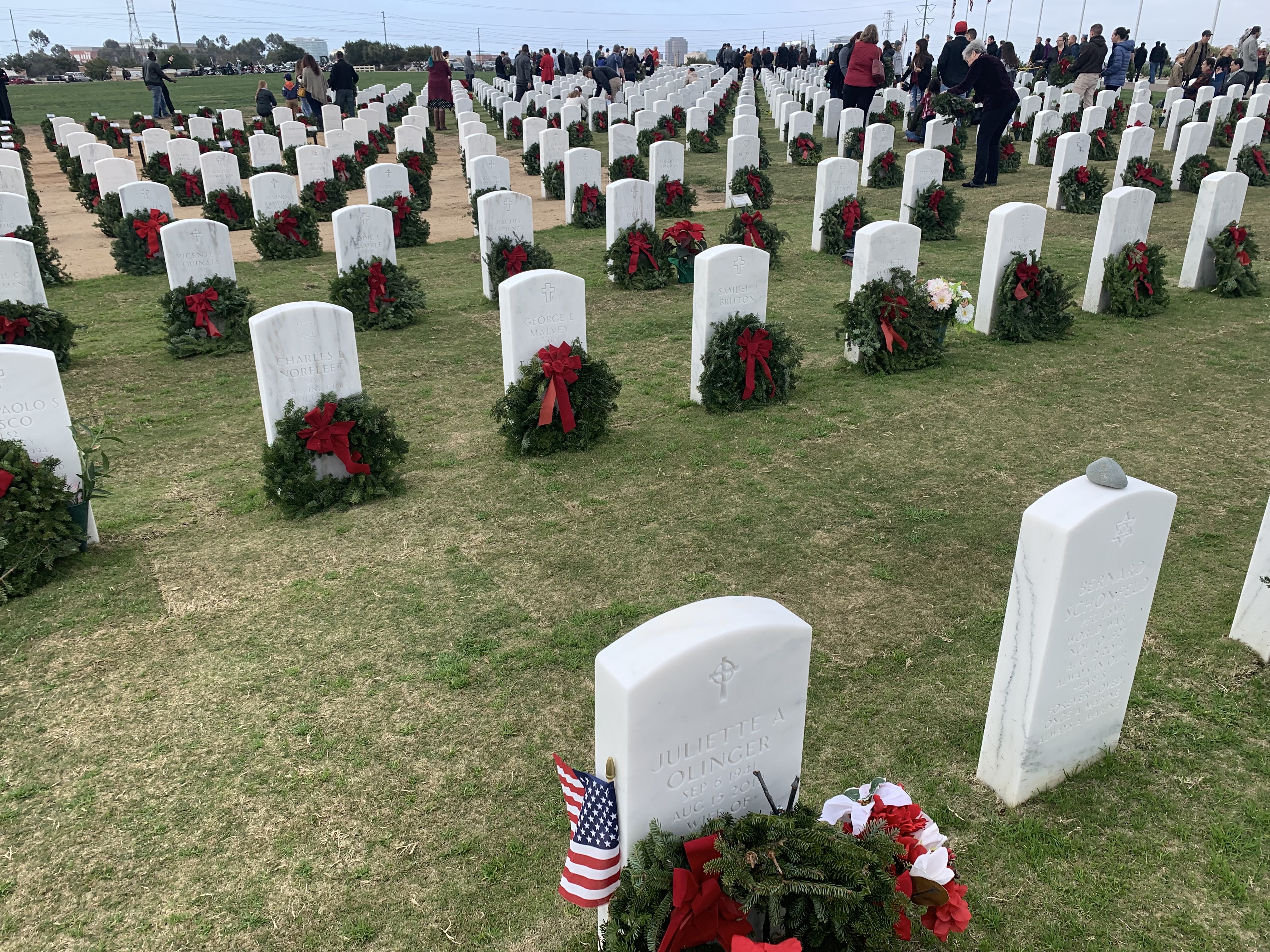
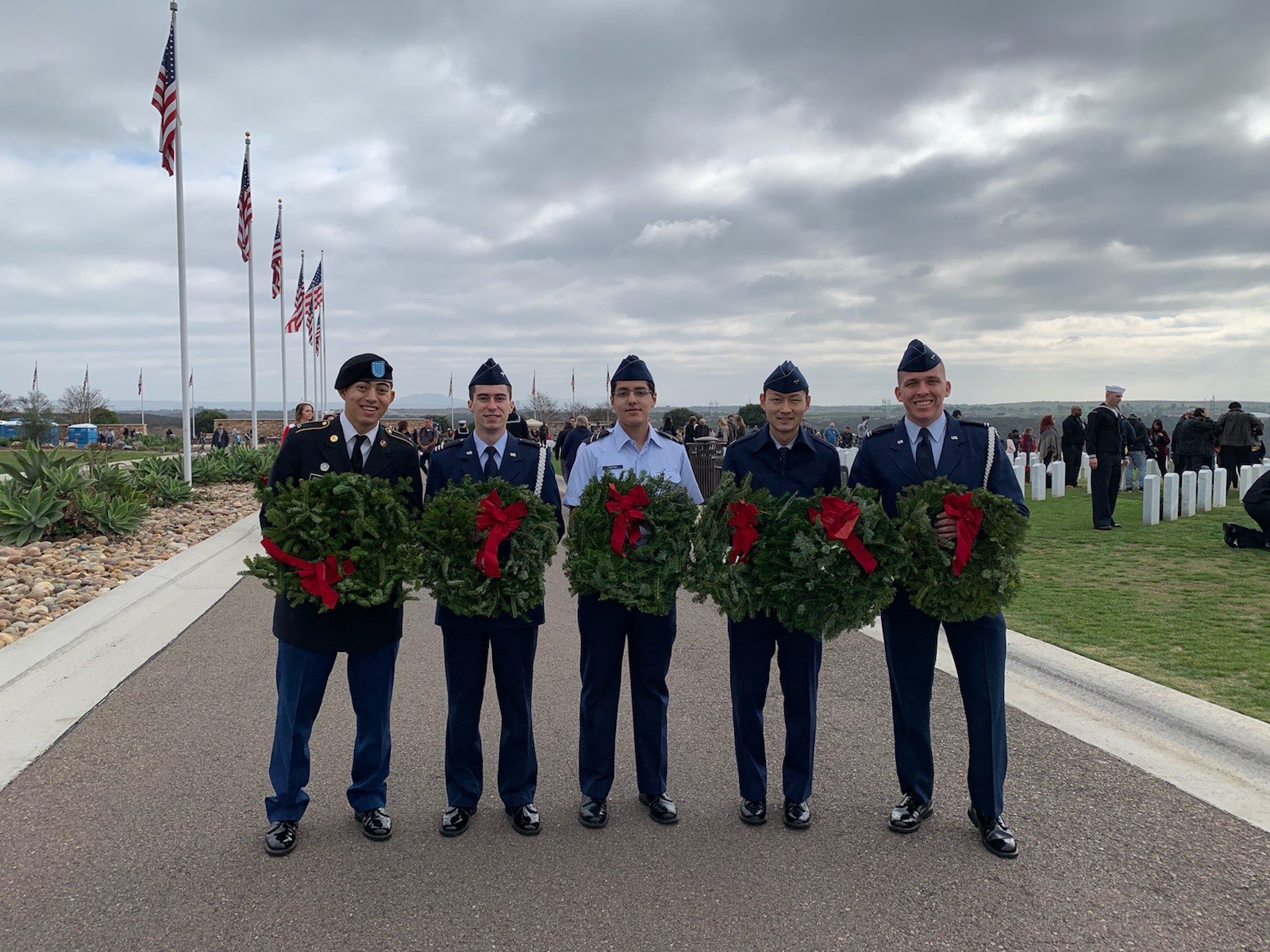
In addition to my academic focus on Physics and Programming, I was also a cross-town AFROTC cadet at SDSU (Det075). During my first two years at UCSD, I intended to commission as an Air Force Officer through ROTC and pursue research while studying, even gaining mentorship under Prof. Julio Barreiro and exposure to his research on quantum sensors and fermionic computing hardware.
When the covid shutdowns began in 2020, ROTC was no longer an option as I would have had to delay my degree by a year to have another chance to go to Field Training in Alabama, and undergraduate students were restricted from accessing research labs on UCSD campus. In response, I pivoted to leverage my programming knowledge and chose upper-division classes revolving around computational physics, circuits, and electronic hardware, gaining a specialization in Material Physics in the process.
After graduating, I continued to study software and completed a certification in Data Science, transitioning to studying deep learning and computer-vision models until late 2022.
Notable Achievements
Professor Mentorship
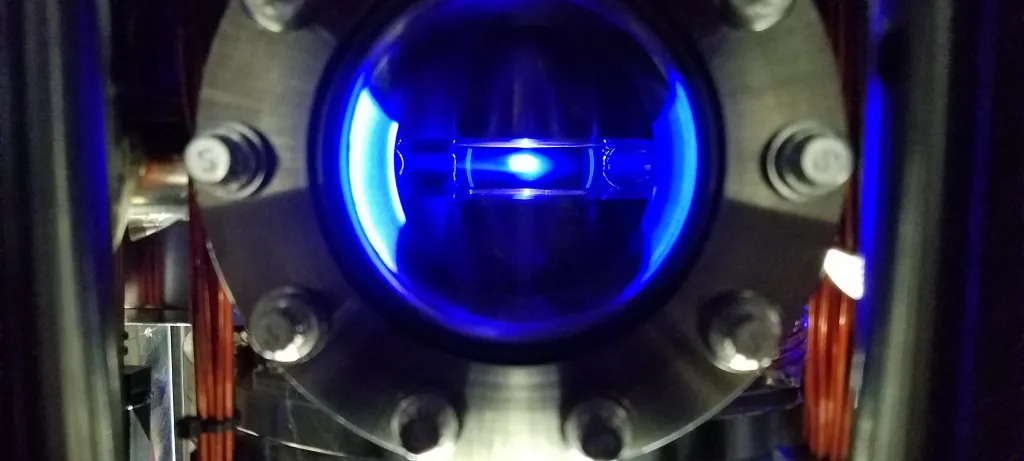
My student-professor mentorship with Prof. Barreiro began in 2020, at the start of the shutdowns. Over the Summer, he sent me an Arduino kit and hosted virtual meetings with me to provide insight into his lab research and the application of embedded systems in automating experiments. These meetings jump-started my experience in mechatronics and carried over into my circuit labs.
While learning about Prof. Barreiro's research, I was able to have a virtual walk-through of his experimental setups and current research being conducted. In his lab, as seen in the video above, optical tweezers and optical traps are used to guide ultracold strontium atoms for use in fermionic hardware and quantum sensors.
Mechatronics Lab
In spite of the covid shutdowns dragging into 2022 at UCSD and cutting the in-person lab time to only 5 weeks, I was able to complete the course work and a partner project where we designed and created a servo-powered, tendon-driven, 5-finger articulated 3D printed hand. More details and photos on the Robotic Hand project page.
Material Science Labs
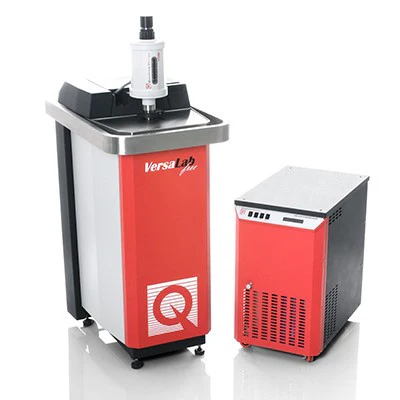
Utilized a research-grade Vibrating Sample Magnetometer (VSM) machine to analyze the magnetic hysteresis curves of various electronic and composite materials. Samples were analyzed from ambient to cryogenic temperatures (50 K) to find the critical temperatures of superconducting materials.
Data Science certification
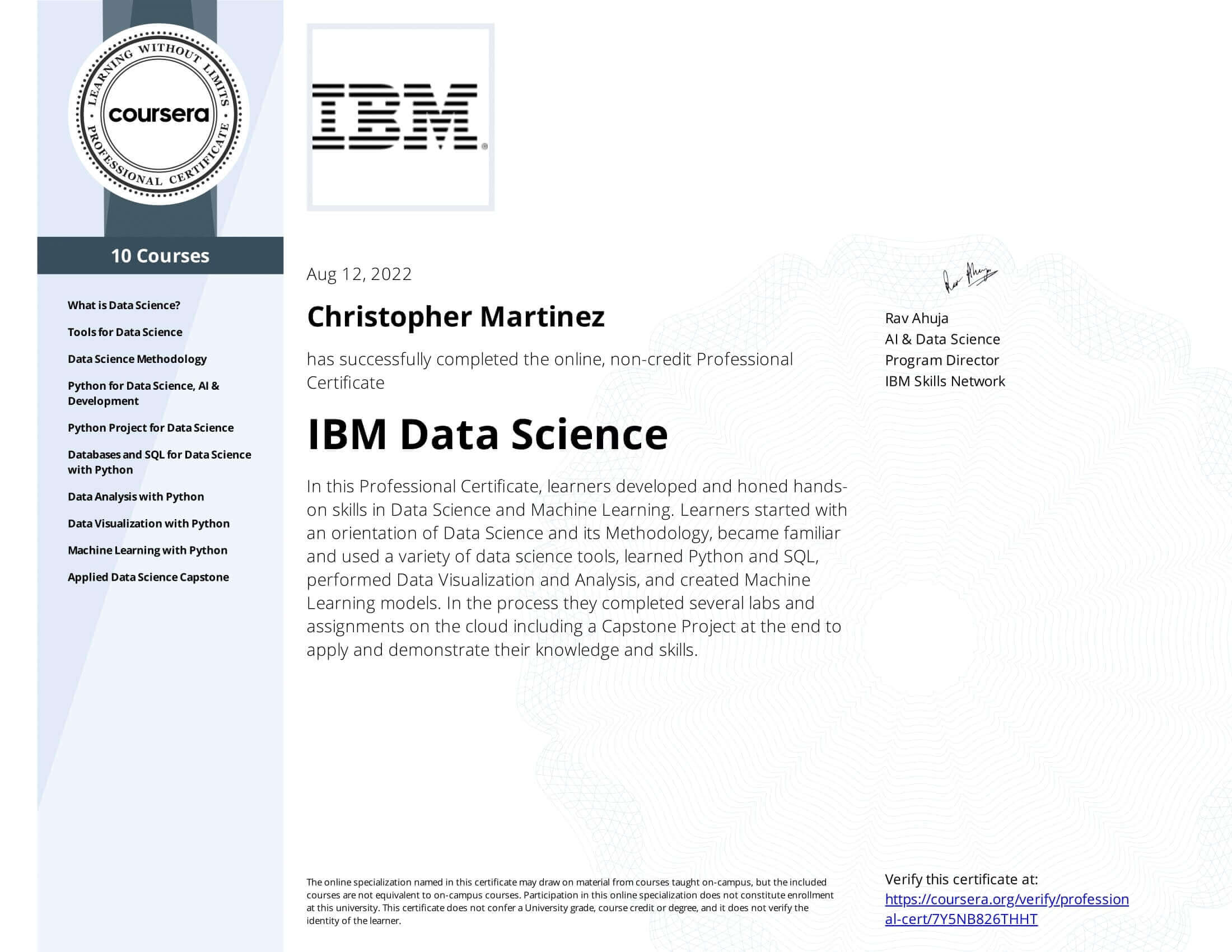
Completed the IBM Data Science professional certificate through Coursera. In this certification, I applied my Python knowledge to analyze large datasets, manage and query IBM DB2 databases, visualize complex datasets, and source my own data via webscraping. In the advanced modules, I also applied a mixture of supervised and unsupervised machine learning methods to create predictive and classification algorithms. In the Data Science capstone, I created a dashboard that predicts whether a SpaceX Falcon 9 rocket will land successfully based on weather, mission payload, and historic data.
View certificate via Coursera →Blender Animation
As part of an open-ended final, I decided to teach myself the software Blender in order to create an animation on coupled-harmonic systems. Above is a snippet from the animation, the full video built up to coupled-spring systems by depicting pendulums, springs, and simple harmonic oscillators in various levels of detail. See more on my Blender projects on the Blender & Gaussian Splats project page.